

Mindful
Education

Mindful
Education

Well-Read: Amber’s Book of the Month

Dr Amber Johnston is passionate about helping medical practitioners, researchers, and the general public understand the benefits and nuances of psychology and neuropsychological therapy. She likes to share her favorite books and resources as she continues her professional development to find the very best methods of psychology and treatment for her patients.

Read along with Amber as she continues to further her education and learn more about how you can continue working to create a healthy mind for yourself.


{BlogsVideosWell ReadForms }


  • Back in Control
    December 2025

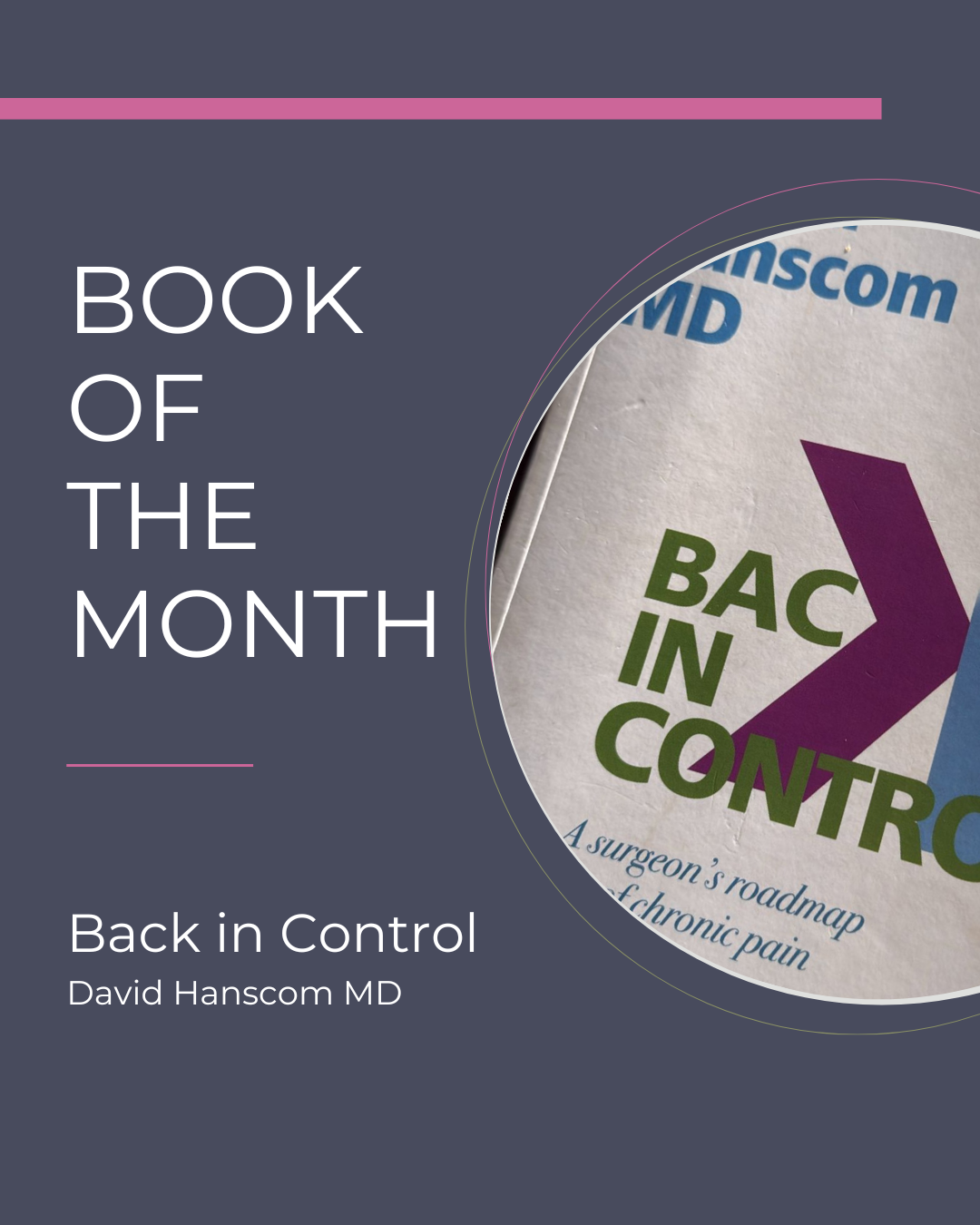
    Back in Control

    by Dr David Hanscom

    Have you ever noticed how pain seems to take over your whole world, even when doctors can’t find a clear cause?

    This month’s Book of the Month is “Back in Control” by Dr David Hanscom.

    As a spine surgeon, Hanscom spent years treating patients with complex pain, until he faced his own. What he discovered was transformative – that chronic pain isn’t just about damaged tissue or nerves, but about the patterns our brains learn in response to threat, fear, and stress.

    He shares how unprocessed emotions, anxiety, and past trauma can keep the nervous system in a constant state of alarm, amplifying pain long after an injury has healed.

    What stood out most to me is how hope-filled his message is – that through calming the nervous system through better self-care, expressing emotions especially those we suppress, and re-framing thoughts, we can actually retrain the brain to turn the volume down on pain.

  • Breath – The New Science of a Lost Art
    November 2025

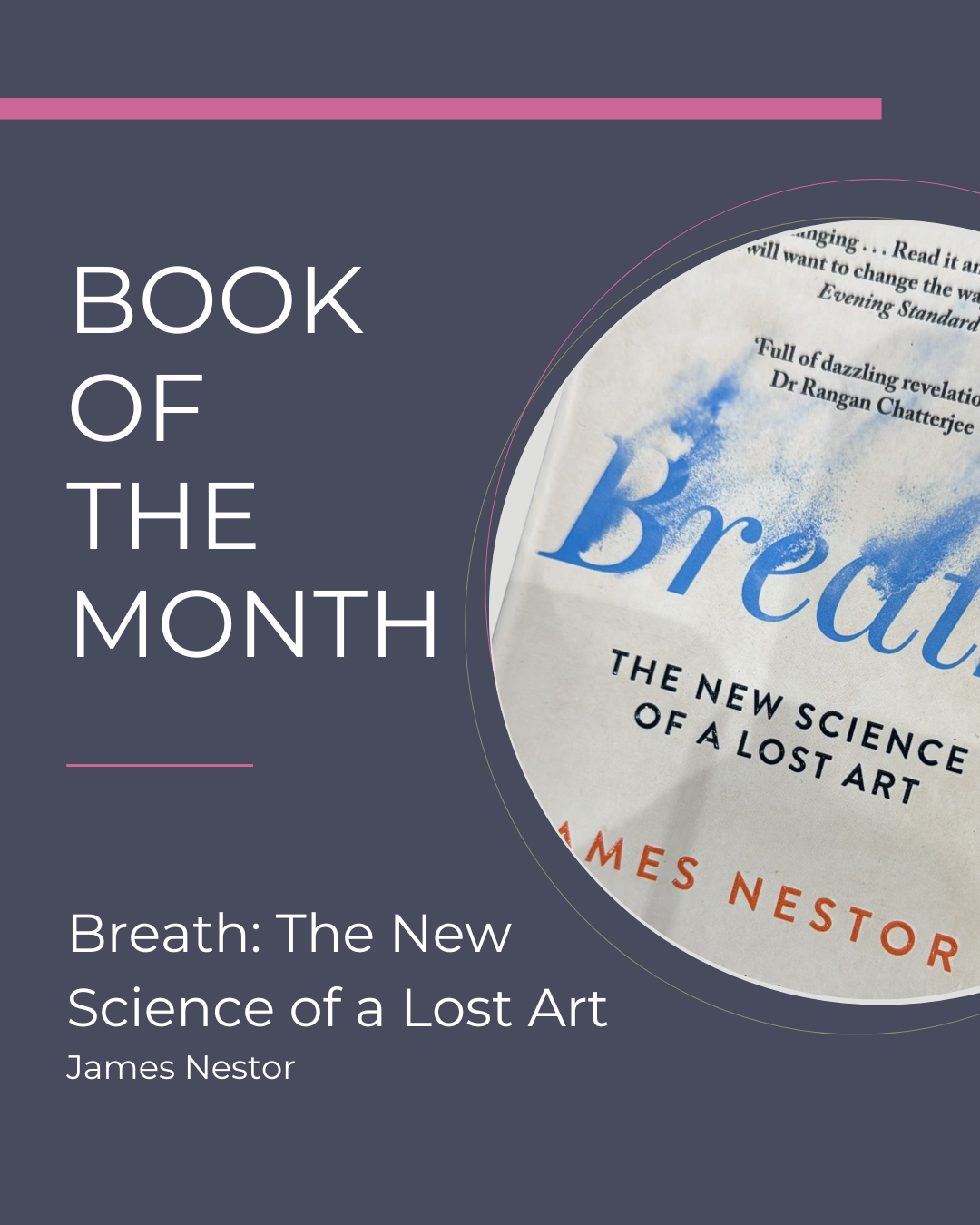
    Breath – The New Science of a Lost Art

    by James Nestor

    This month’s Book of the Month – “Breath: The New Science of a Lost Art” by James Nestor – dives deep into the simple act that keeps us alive and how we might be doing it all wrong.

    Nestor explores the fascinating science of breathing and how our modern habits, from processed foods to constant stress, have literally reshaped our faces, narrowed our airways, and changed the way we take in air.

    What struck me most is how something so basic can have such profound psychological and physical effects. From anxiety and sleep, to focus and emotional regulation – the way we breathe shapes the way we feel.

  • The Age of Diagnosis
    October 2025

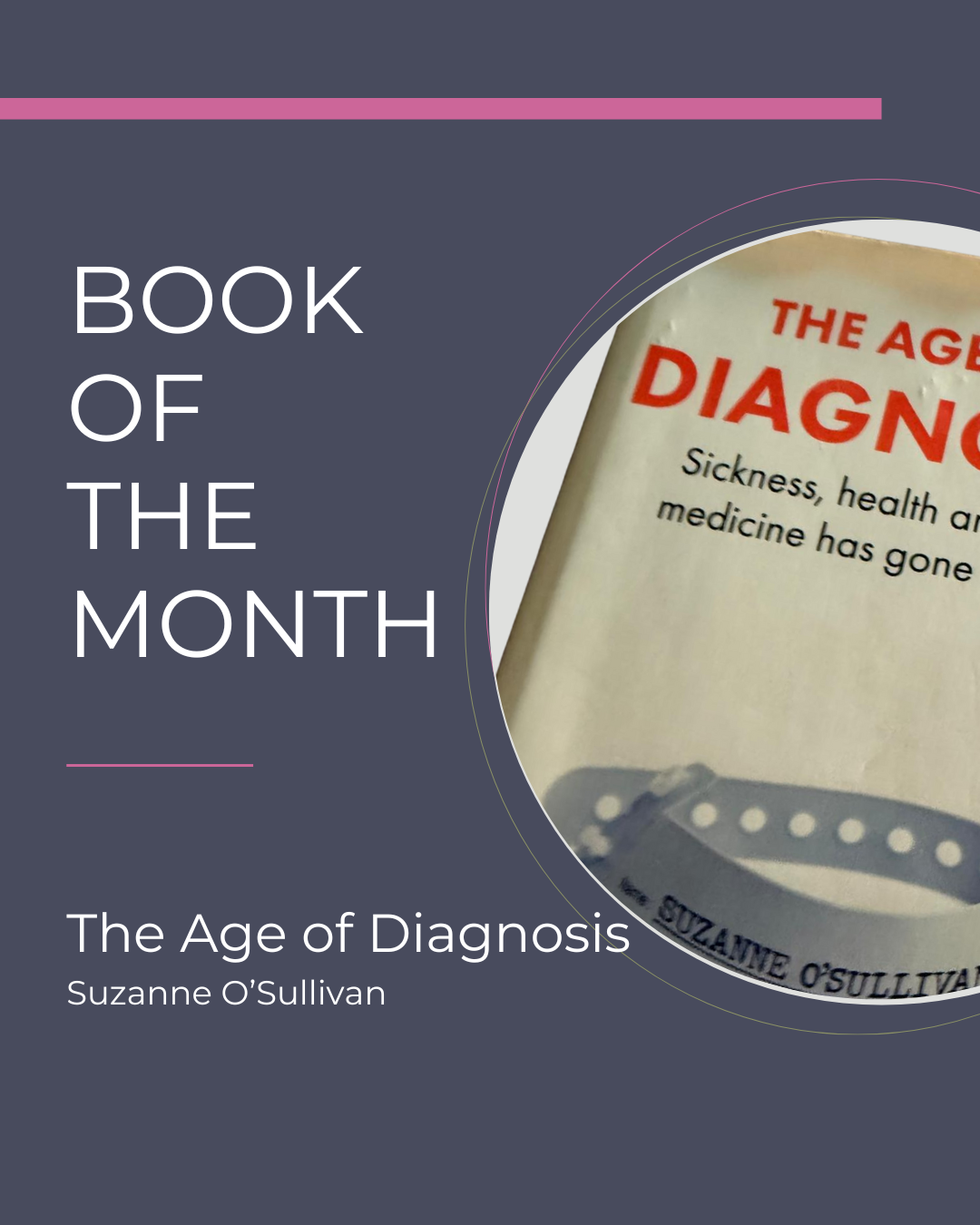
    The Age of Diagnosis

    by Suzanne O’Sullivan

    The Age of Diagnosis by Suzanne O’Sullivan is a thought-provoking look at how modern medicine increasingly places us into diagnostic boxes.

    On one hand, medical and psychological diagnoses can be profoundly validating – offering clarity, community, and language for struggles that once felt isolating. But as O’Sullivan explores, labels can also have unintended consequences. They may subtly reshape how we see ourselves, focus our attention on symptoms we might otherwise have dismissed, or even create anxiety about conditions we may never develop.

    The book asks difficult but important questions:
    → What does it mean when sadness or worry become pathologised?
    → How does technology change our relationship to health when it can predict risks that may never unfold?
    → And are we paying enough attention to the social and psychological factors that shape our wellbeing – not just the biological?

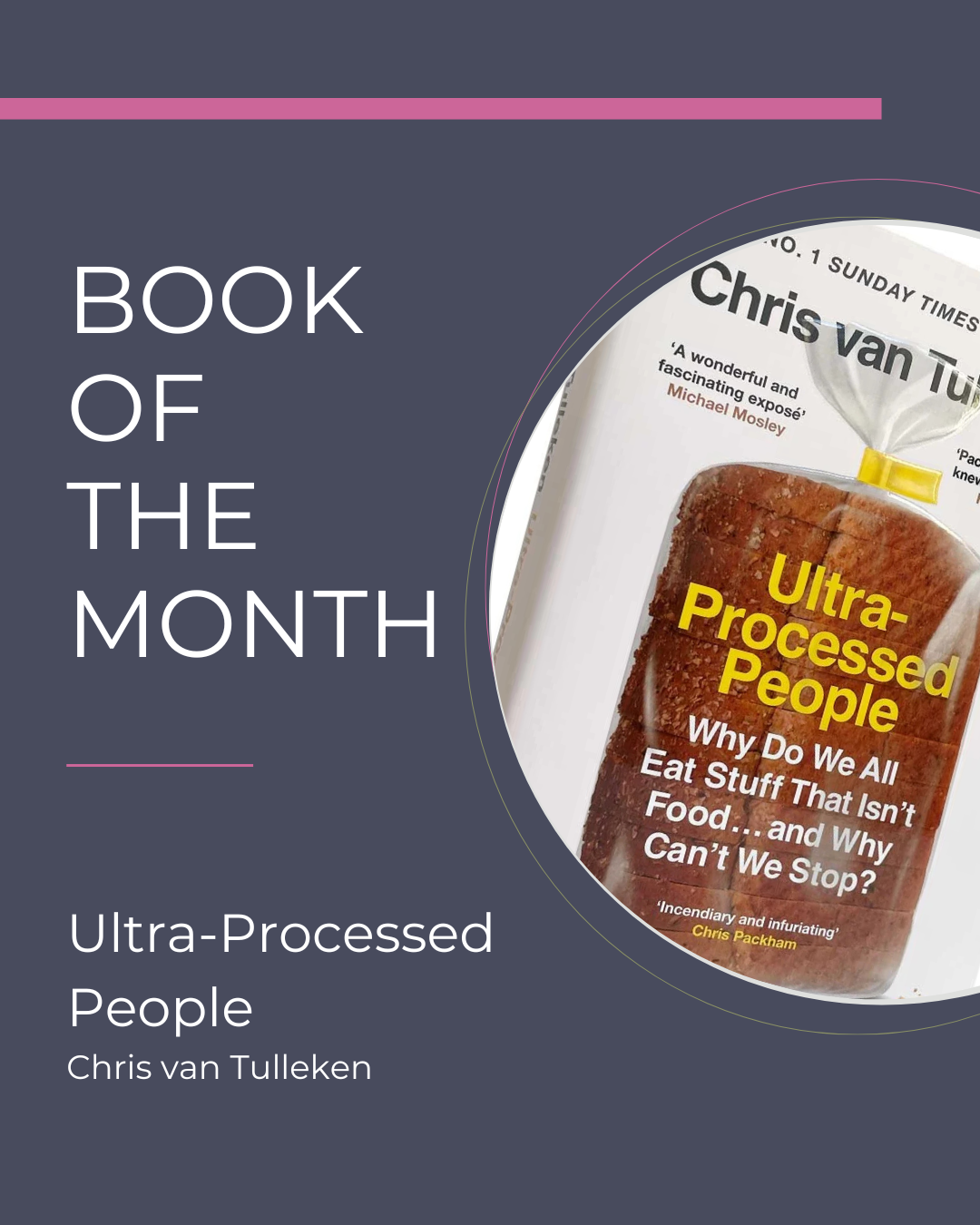
  • Ultra-Processed People
    September 2025

    Ultra-Processed People

    by Chris van Tulleken

    Do you really know what’s in your food – and how it could be influencing your thoughts, emotions, and behaviour?

    In this fascinating read, Chris – a doctor and broadcaster, unpacks how ultra-processed foods (UPFs) don’t just affect our bodies… they also impact our brains, decision-making, and emotional wellbeing.

    As a clinical psychologist, I’m particularly interested in how food choices are shaped not just by willpower, but by powerful biological and psychological forces – many of which we’re not even aware of. This book highlights how our environment and the food industry can subtly influence our behaviour, making change more complex (but not impossible).

  • The Angel and the Assassin
    August 2025

    The Angel and the Assassin

    by Donna Jackson Nakazawa

    This month, I’m reading ‘The Angel and the Assassin’ by science journalist Donna Jackson Nakazawa – a fascinating deep-dive into how a little-known cell in the brain, called microglia, may be playing a much bigger role in mental health than we once thought.

    Nakazawa speaks about how inflammation in the brain could be linked to conditions like depression, anxiety, and PTSD – and why calming this response might hold the key to emotional healing.

    “The same cells that can protect the brain can also drive its suffering,” she writes- referring to how this cell is related to the newly identified immune system of the brain that both helps fight for brain health but can also go haywire and create harmful neuro-inflammation. Though once believed that only the body has an immune system, the research into this cell now shows a mimicking of body immune responses within the brain also, by a separate but similar system that communicates with the body. It’s a powerful reminder that our brain and body aren’t separate systems, but part of the same intricate, intelligent whole.

  • The Power of Hormones: The new science of how hormones shape every aspect of our lives
    July 2025

    The Power of Hormones: The new science of how hormones shape every aspect of our lives

    by Dr Max Nieuwdorp

    This month, I’m diving into The Power of Hormones by physician-scientist Dr Max Nieuwdorp, a fascinating look at how our internal chemical messengers quietly shape our mood, memory, energy, and sense of self.

    Nieuwdorp invites us to look at hormones not just as biological regulators, but as central players in our emotional and psychological well-being. Drawing from decades of clinical insight, he explores how even subtle imbalances can ripple through our mental landscape, influencing everything from mood swings and anxiety, to brain fog and fatigue.

    “Hormones don’t just regulate our bodies, they help shape our sense of self,” he writes. This reminds us that mind and body are not separate systems, but deeply intertwined.

    As always, throughout July, I’ll be sharing reflections and gentle prompts from this book, exploring the mind-body connection and how hormone health might quietly shape how we think, feel, and function.