

Mindful
Education

Mindful
Education

Well-Read: Amber’s Book of the Month

Dr Amber Johnston is passionate about helping medical practitioners, researchers, and the general public understand the benefits and nuances of psychology and neuropsychological therapy. She likes to share her favorite books and resources as she continues her professional development to find the very best methods of psychology and treatment for her patients.

Read along with Amber as she continues to further her education and learn more about how you can continue working to create a healthy mind for yourself.


{BlogsVideosWell ReadForms }


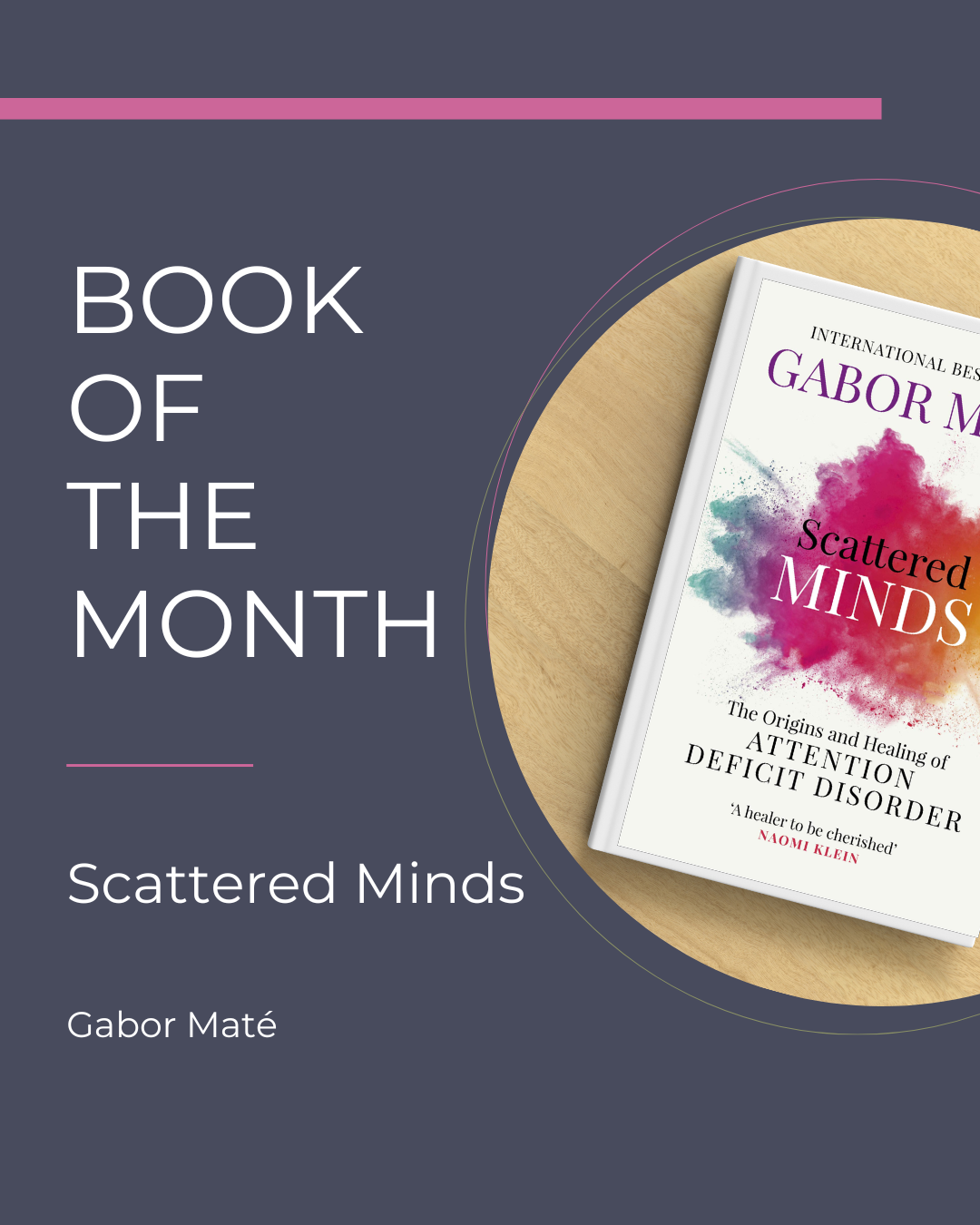
  • Scattered Minds: The Origins and Healing of Attention Deficit Disorder
    June 2025

    Scattered Minds: The Origins and Healing of Attention Deficit Disorder

    by Gabor Maté

    ‘Scattered Minds: The Origins and Healing of Attention Deficit Disorder’ by physician Gabor Maté offers a revolutionary perspective on ADHD, revealing how early childhood experiences shape our attention systems and emotional regulation.

    In this groundbreaking work, Maté challenges conventional wisdom by explaining how childhood attachment disruptions and environmental stressors can lead to difficulty sustaining attention, heightened sensitivity to stress, emotional dysregulation and, ultimately, a scattered relationship with your own mind.

    “The purpose of symptoms is to force us to become aware of a situation that requires attention,” he writes. As a physician with ADHD himself, Maté brings both professional expertise and lived experience to this compassionate exploration.
  • Rewire
    May 2025

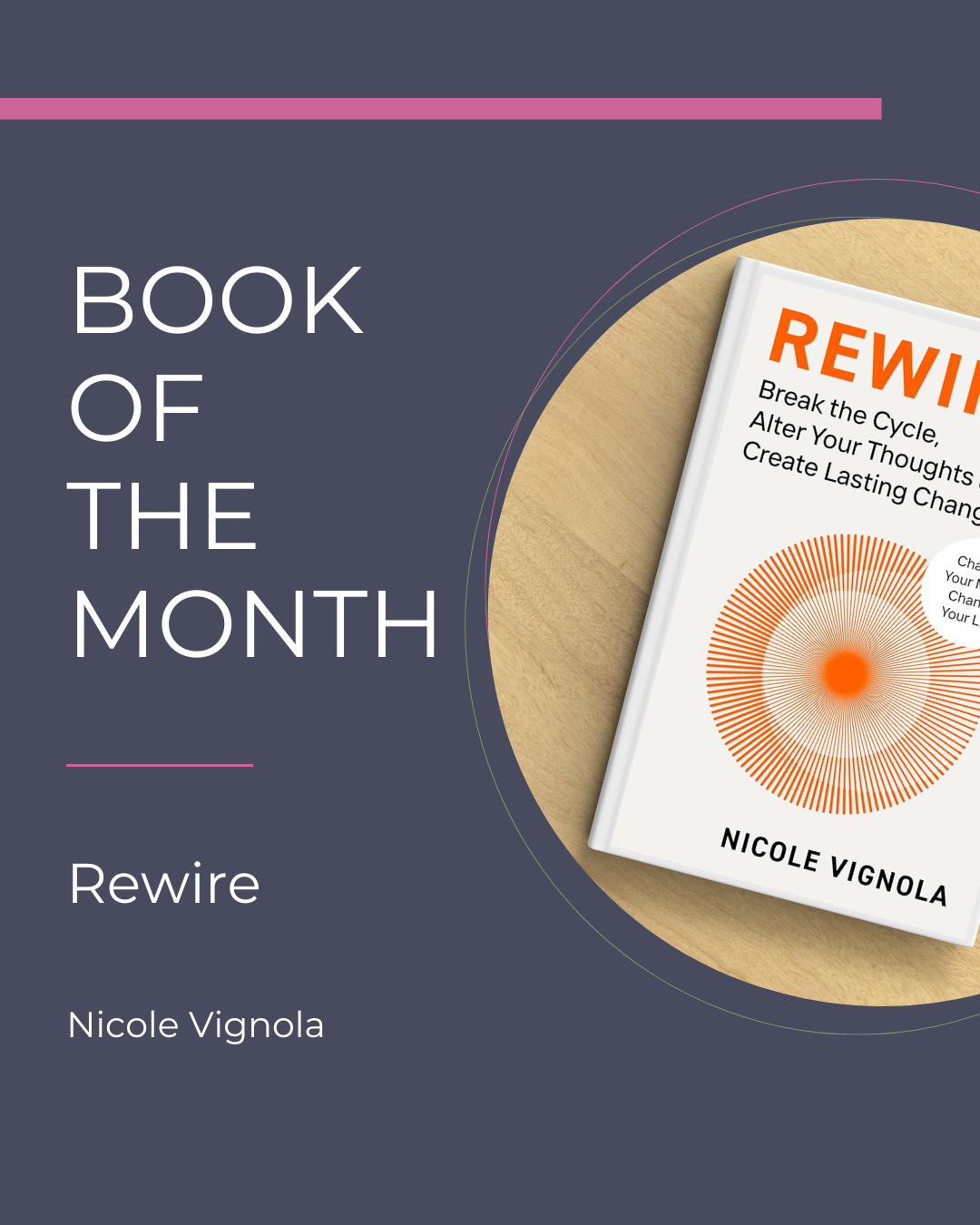
    Rewire

    by Nicole Vignola

    ‘Rewire: Break the Cycle, Alter Your Thoughts and Create Lasting Change’, from neuroscientist Nicole Vignola, shares insight into why we are subconsciously programmed to repeat particular habits, as well as teaches us how to rewire our brains for more positive mental wellbeing.

    In her book, Nicole describes a difficult cycle in which the brain and body are flooded with stress hormones leading to…

    → Difficulty coping with our emotions
    → Anxiety
    → Being triggered more easily
    → Hypervigilance
    → Procrastination
    → Negative self-beliefs
    → Low self-esteem
    → Neglect of our basic needs
    → Unhelpful coping mechanism

    …and, in turn, continued stress.

    “It’s hard to make any plastic changes when you’re maladapted to stress,” she explains.

    I’d highly recommend adding it to your reading list if you’ve not come across it yet!

  • Burnout
    April 2025

    Burnout

    by Dr Claire Plumbly

    In Burnout, Clinical Psychologist and trauma therapist Dr Claire Plumbly draws on the power of Polyvagal Theory to explore the deep, physiological roots of burnout, anxiety, and trauma. With warmth and clarity, she explains why burnout is more than just stress—and why we can’t simply “think” our way out of it.

    You’ll learn how cultural pressures and unconscious psychological patterns can trap you in cycles of overwhelm, and how burnout disrupts your ability to connect, think clearly, and feel motivated. More importantly, Dr Plumbly offers compassionate, practical tools to soothe your nervous system, reconnect with your body’s wisdom, and gently guide yourself back to a place of safety and vitality.

    Through rich insight and relatable clinical examples, this book empowers you to truly understand your body’s signals, reframe your experience of burnout, and build resilience for a thriving, more connected life.

  • Eight Dates: To keep your relationship happy, thriving and lasting
    March 2025

    Eight Dates: To keep your relationship happy, thriving and lasting

    by John Gottman, Julie Schwartz Gottman, Doug Abrams and Rachel Carlton Abrams

    The book takes you on a journey through eight dates, each focusing on an important distinct theme.

    It’s all about sparking conversations that matter with your partner, committing to “being curious rather than correct” in the process.

    These aren’t ‘dates’ as you might know them though! You won’t just be sent off to your local restaurant, or to the nearest cinema. No, these dates are centered around opening up the door for conversation, and encouraging this communication on a regular basis, to strengthen connections and encourage long-lasting happy relationships.

    This month, I’m going to be exploring a little more of the book’s themes.

    ‘Eight Dates’ is a great read and one I’d highly recommended…

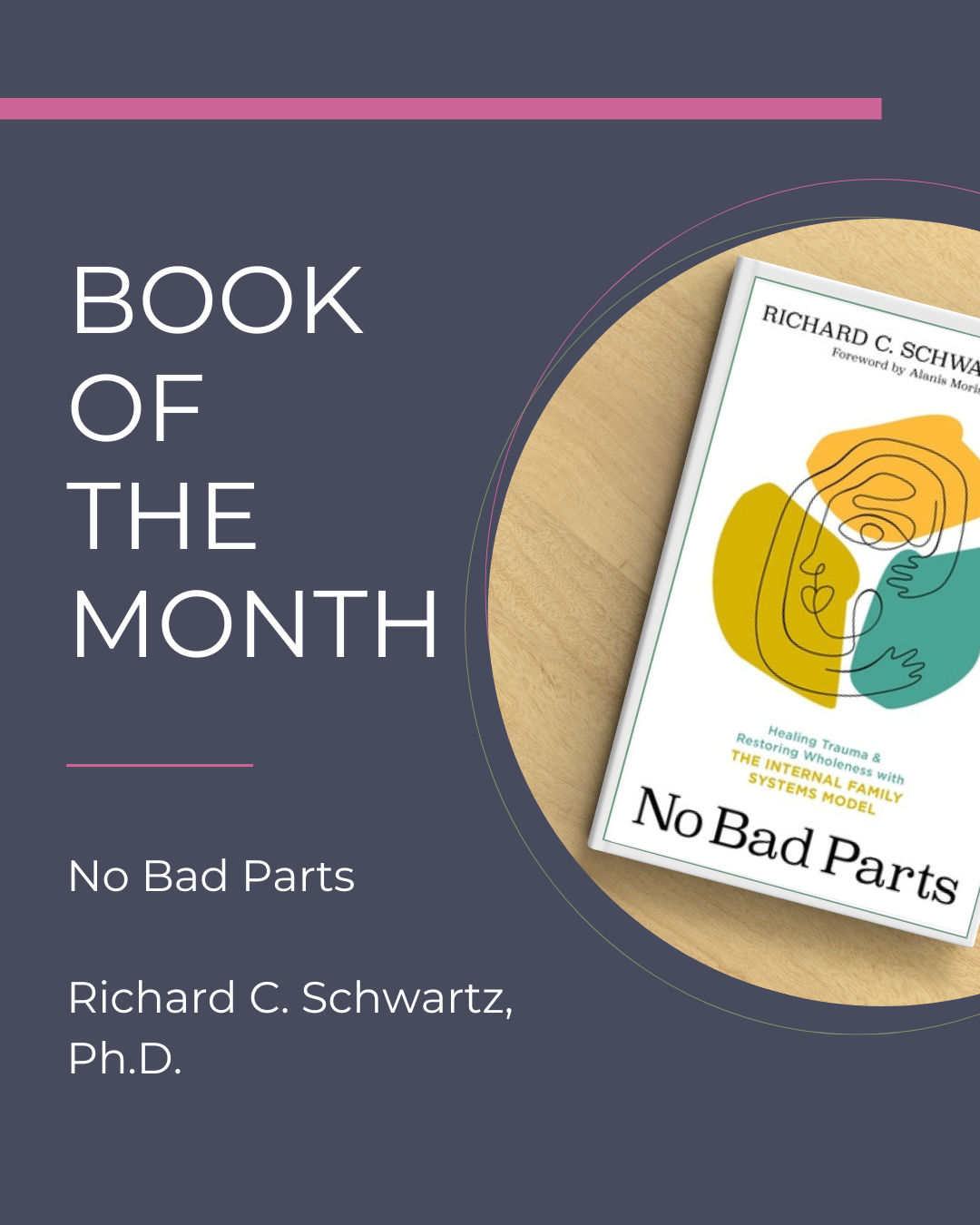
  • No Bad Parts
    February 2025

    No Bad Parts

    by Dr Richard Schwartz

    One of the biggest threats to a positive self-image is believing that everything we do defines who we are at our core.

    When we internalise negative feelings like shame or guilt about our actions, we may start to think we are inherently “bad” or flawed. This is known as the “mono-mind” belief, where we view ourselves in a one-dimensional way, which can harm our self-esteem and lead to harsh self-judgment.

    Dr. Richard Schwartz, creator of Internal Family Systems (IFS), offers an alternative: the idea of “multiplicity,” where our personality is made up of different parts, with a core self that is loving and capable of healing. This approach challenges the mono-mind belief and is explored further in Schwartz’s book No Bad Parts.

  • Behave
    January 2025

    Behave

    by Robert Sapolsky


    In Behave, Robert Sapolsky offers insightful strategies for overcoming unhealthy habits and making better choices. We found his key idea—that we should train our brains to automatically choose healthier options—particularly impactful. Sapolsky emphasises that each indulgence reinforces the temptation, making future resistance harder. He suggests reappraisal (reframing situations) and distraction (like physical activity) as more effective tools than sheer willpower alone.

    His message? Building new habits takes time and patience, so be kind to yourself during the process. A must-read for anyone struggling with self-control!