


The Psychology Behind Ultra-Processed Eating
Why our modern food environment feels so hard to resist
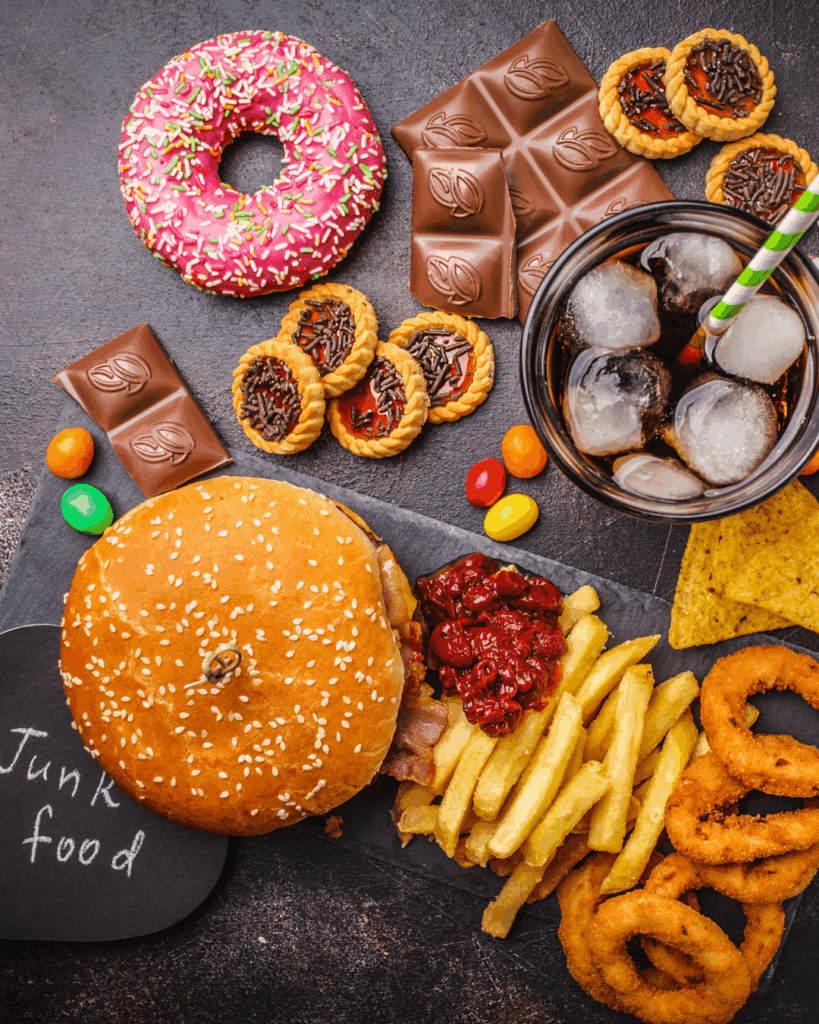
Our hunger systems evolved over thousands of years to keep us alive in times of scarcity. We were designed to seek out calorie-dense, energy-rich foods when we could find them, because survival depended on it. But in today’s world, that same biological drive is colliding with a food industry capable of creating products that are far more tempting, and far more abundant than anything our ancestors could have imagined. These ultra-processed foods (UPFs) aren’t just about taste. They are engineered to hit the brain’s pleasure systems in ways that keep us coming back for more, even when we know they may not serve our health.
Evolutionary roots: Why ancient biology meets modern industry
From a psychological perspective, appetite is guided by two overlapping systems. The first is homeostatic – the body’s way of balancing energy in and out, responding to genuine hunger and fullness cues. The second is hedonic – the pleasure-driven part that responds to taste, smell, and the emotional satisfaction we get from eating. In the past, both systems worked together to ensure survival. But modern food manufacturers have learned to target the hedonic system directly, creating combinations of sugar, fat, and salt that light up the brain’s reward pathways more powerfully than anything found in nature.
Research has even developed a measurable definition of “hyper-palatable” foods, showing just how widespread they have become in the modern diet (Fazzino et al., 2019). Tools like the Power of Food Scale capture the way some people can find food highly rewarding, even when they’re not physically hungry (Lowe et al., 2009). This isn’t a matter of weak willpower – it’s biology being expertly exploited.

How UPFs change the brain’s reward and control systems
Neuroscience has shown that even seeing or smelling highly processed foods can trigger strong responses in the brain’s reward regions. Functional MRI studies reveal that when people are exposed to images of calorie-dense foods, the brain shows heightened activity in areas linked to pleasure and craving. This can bias decision-making, making us more likely to reach for those foods and less likely to stop eating once we start.
In 2019, researchers Small and DiFeliceantonio published a paper in Science outlining how UPFs can disrupt the gut-brain signalling that helps regulate appetite, making these foods more reinforcing than whole, minimally processed foods. More recent MRI research has linked high UPF consumption with changes in the structure of brain regions involved in feeding and reward, even after accounting for body weight and metabolic health. This suggests that the way we eat might influence not just how the brain functions in the short term, but potentially its structure over time.
UPFs and mental health – An emerging picture
The impact of ultra-processed diets isn’t limited to physical health. Multiple large-scale studies have found a link between high UPF intake and greater risk of depression and anxiety. A 2022 meta-analysis in Nutrients found consistent associations between eating more UPFs and experiencing more depressive symptoms across tens of thousands of people. Similarly, a 2023 evidence review in The BMJ concluded that UPF consumption was associated with several adverse health outcomes, including mental health difficulties.
These findings are backed up by newer longitudinal studies suggesting that the more UPFs people consume, the greater their likelihood of developing symptoms of depression over time. While we can’t yet say for certain that UPFs cause these changes, other lifestyle factors could also play a role – the association is strong enough to warrant serious consideration from both public health and psychological perspectives.
How food can affect mood: The biological pathways
One reason UPFs may influence mental health is their impact on inflammation and metabolism. Diets high in processed ingredients can promote low-grade systemic inflammation, which has been linked to depression and cognitive decline. Another pathway is the gut-brain axis. The microbiome – the trillions of microbes in our digestive tract – communicates constantly with the brain via hormones, neurotransmitters, and immune signals. Diets rich in fibre and whole foods tend to support a healthy, diverse microbiome, while UPFs and certain additives can reduce microbial diversity and disrupt this communication.
From a psychological standpoint, these biological effects are deeply relevant. If our brain chemistry, inflammation levels, and gut health are all being influenced by what we eat, then our capacity to regulate mood, manage stress, and think clearly is also affected.
The psychology of cravings and habits
When we talk about eating behaviour in therapy, we often focus on patterns rather than single choices. UPFs are everywhere – at petrol stations, in workplace kitchens, on every supermarket end aisle, and repeated exposure builds habits. The brain learns to associate certain cues (a time of day, a smell, a place) with eating specific foods. Over time, these associations can feel automatic.
Stress can amplify this effect. Research shows that when we are stressed, the brain’s reward system becomes more sensitive to high-calorie foods, while self-control networks become less active. This means the same packet of biscuits that might not tempt us on a calm day can suddenly feel irresistible during a stressful week. Understanding this dynamic helps shift the conversation away from blaming ourselves and toward building strategies that address the real drivers of behaviour.

Practical steps to break the cycle
From a clinical psychology perspective, change often works best when we combine self-awareness with environmental adjustments. That might mean reducing exposure to certain cues – not keeping UPFs in visible places at home, for instance – and creating a regular eating structure to help stabilise hunger and reduce impulsive choices. Mindfulness-based strategies can also help by encouraging us to pause and notice the craving, ask what we’re really seeking in that moment, and then choose a response intentionally.
Equally important is replacing rather than simply removing. If you love a sweet snack in the afternoon, switching to fruit with yoghurt or a small portion of dark chocolate can provide satisfaction without triggering the same reward overdrive. And perhaps most importantly, self-compassion matters. Recognising that powerful biological systems are at work can reduce shame and make sustainable change more possible.
Conclusion – Compassion over criticism
Ultra-processed foods are not just a personal choice or a test of willpower. They are the result of an intricate interaction between biology, psychology, and an environment designed to keep us consuming. When we understand how these foods influence our brain, mood, and behaviour, we can make changes that go beyond simply “eating better.” We can reshape our habits, our surroundings, and our self-talk in ways that support both mental and physical health.
The first step is noticing – not judging – our patterns. That small act of curiosity can be the beginning of a much healthier relationship with food.
References
- Fazzino TL, Rohde K, Sullivan DK. Hyper-Palatable Foods: Development of a quantitative definition. Obesity (2019). Hyper-Palatable Foods: Development of a Quantitative Definition and Application to the US Food System Database – PubMed
- Lowe MR, Butryn ML, et al. The Power of Food Scale. Appetite (2009). The Power of Food Scale. A new measure of the psychological influence of the food environment – PubMed
- Small DM, DiFeliceantonio AG. Processed foods and food reward. Science (2019). Processed foods and food reward – PubMed
- Lane MM, et al. Ultra-Processed Food Consumption and Mental Health: Systematic review and meta-analysis. Nutrients (2022). Ultra-Processed Food Consumption and Mental Health: A Systematic Review and Meta-Analysis of Observational Studies – PubMed
- BMJ Evidence Review: Ultra-processed food exposure and adverse health outcomes (2023). Ultra-processed food exposure and adverse health outcomes: umbrella review of epidemiological meta-analyses | The BMJ
To find out how we can help you or for further information you can read our services here or please contact us below: