
What Your Breathing Habits Reveal About Your Mental Health
We often think of breathing as something automatic – something our body does quietly in the background while we get on with life. Yet how we breathe matters far more than most of us realise. In his book Breath: The New Science of a Lost Art, author and journalist James Nestor explores how modern breathing habits, particularly mouth breathing, have reshaped our health in ways that reach far beyond the lungs.
From sleep and focus to anxiety and emotional balance, the simple act of inhaling through the nose – rather than the mouth – can have a profound effect on both body and mind.
The Problem with Mouth Breathing
For many of us, mouth breathing starts without us noticing – when we’re congested, stressed, or simply rushing through the day. But research suggests that habitual mouth breathing can change the body’s structure and physiology in subtle but significant ways.
Breathing through the mouth reduces the pressure in the airways, causing the soft tissues in the back of the throat to collapse inward. This makes breathing less efficient and can contribute to snoring, sleep apnoea, and feelings of fatigue. Over time, the lack of resistance in mouth breathing can even alter facial development, leading to a smaller jaw and narrower airways.
Yet the consequences extend beyond physical structure. When we mouth breathe, we bypass one of the body’s most intelligent systems of filtration and regulation – the nose. Nasal breathing humidifies, filters, and warms incoming air, helping to protect the lungs and support oxygen exchange. It also balances gases such as carbon dioxide and nitric oxide, both of which play key roles in maintaining calm, alert states.
In short, mouth breathing is a signal of imbalance – both physiological and psychological.

The Power of Nasal Breathing
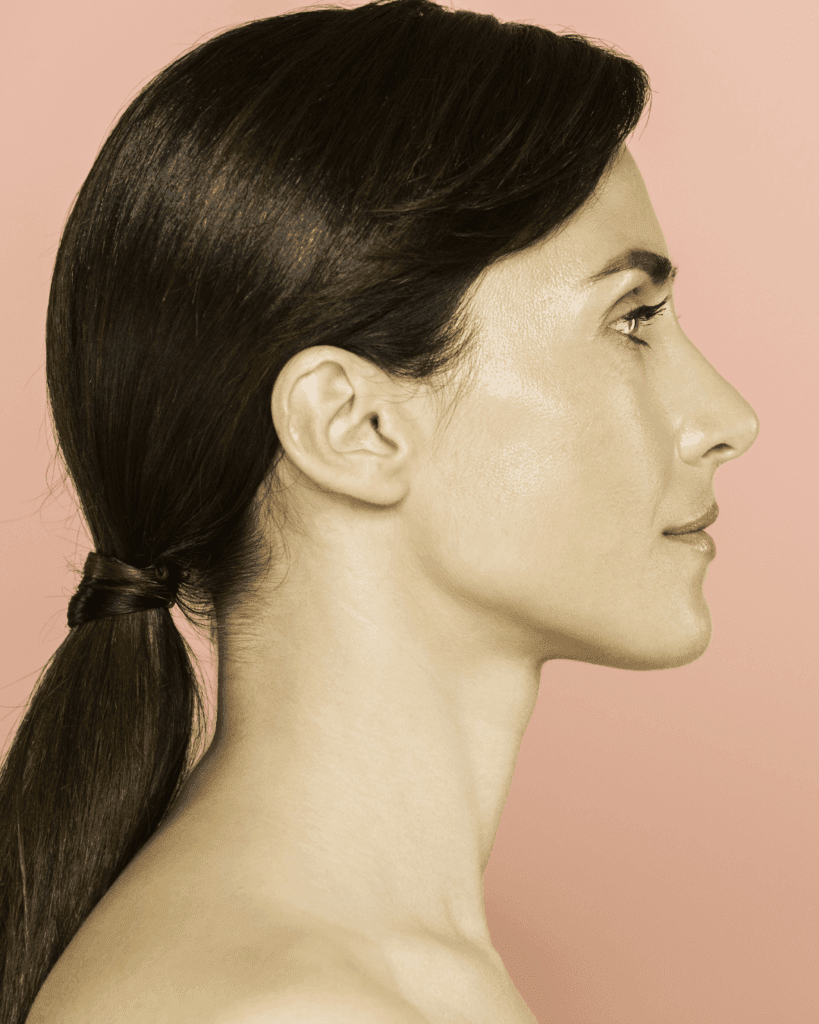
Nasal breathing, by contrast, encourages balance throughout the nervous system. The simple act of inhaling through the nose activates a branch of the parasympathetic nervous system – the body’s rest-and-digest response. This helps regulate heart rate, blood pressure, and emotional arousal, creating a steady, grounded sense of calm.
Studies show that nasal breathing increases nitric oxide levels in the bloodstream, improving circulation and oxygen delivery to the brain. This translates to better focus, memory, and mood regulation. It also helps reduce hyperventilation, a pattern often seen in anxiety, where shallow, fast breathing reinforces a sense of panic and tension.
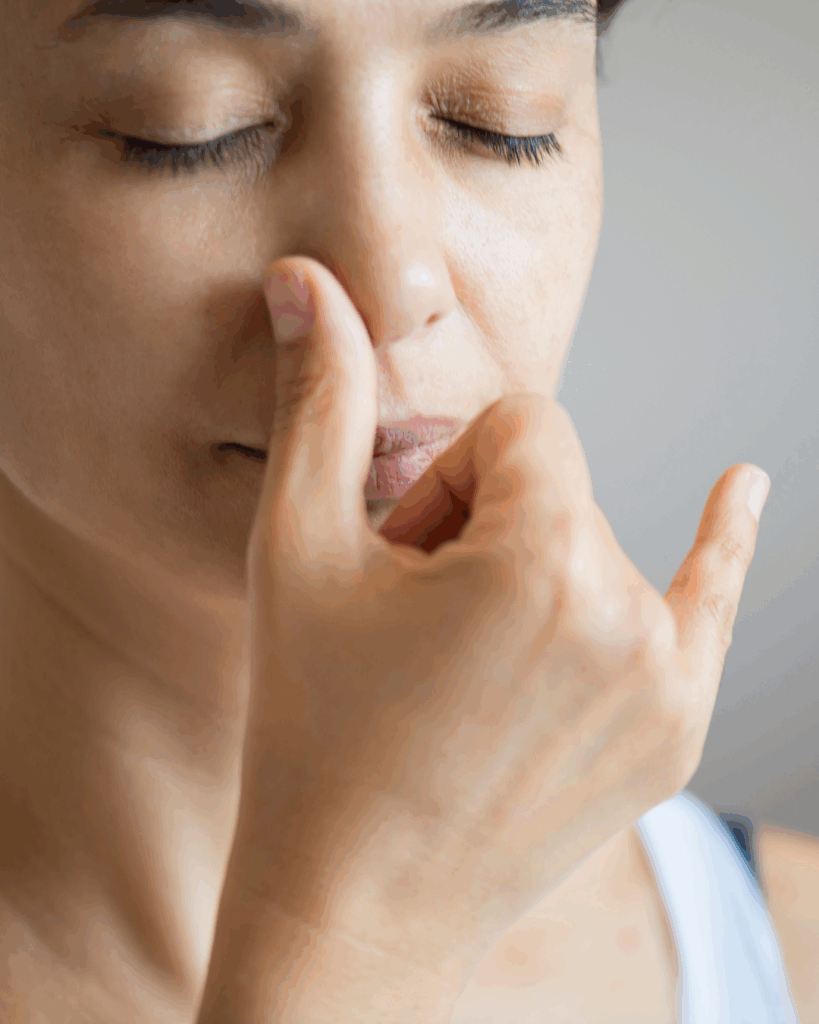
Interestingly, breathing through one nostril can even influence brain activity differently. Inhaling through the right nostril tends to increase alertness and heart rate, while left-nostril breathing is more closely linked with relaxation and creativity. This subtle rhythm shows that our breath is deeply intertwined with our mental and emotional states.
When practiced intentionally, nasal breathing becomes a tool for self-regulation – a way to shift the body out of stress and into balance
The Mind–Body Connection
From a psychological perspective, our breathing habits mirror our emotional patterns. When anxious or overwhelmed, the breath often becomes shallow and rapid. When calm, it naturally slows and deepens.
But this relationship is not one-way. Just as emotions shape breath, breath can shape emotion. By consciously altering the pace and pattern of breathing, we can influence the autonomic nervous system – the body’s control centre for stress and relaxation.
This is where the therapeutic potential of breathwork becomes clear. Approaches such as mindfulness, yoga, and acceptance and commitment therapy (ACT) often integrate breath awareness as a core practice. The aim is not simply to relax, but to notice. By observing the breath without trying to control it, we build awareness of how our internal state responds to the world around us.
For individuals with anxiety or trauma, learning to regulate breathing can offer a pathway to emotional safety. It provides a tangible anchor in the body – a reminder that calm can be accessed physiologically, not just mentally.
Modern Life and the Lost Art of Breathing
James Nestor describes how modern living has quietly reshaped our airways. Processed foods, softer diets, sedentary lifestyles, and chronic stress have all contributed to weaker jaw structures, smaller mouths, and a greater reliance on mouth breathing.
Our ancestors, by contrast, lived in ways that naturally supported healthy breathing – eating tougher foods that exercised the jaw, spending more time outdoors, and maintaining stronger postural alignment. These changes, though seemingly small, have altered the very way we take in air.
The result is a population that breathes faster and shallower than ever before, often trapped in subtle states of hyperarousal. When combined with overstimulation from technology and the pace of modern life, this can create a chronic background hum of anxiety and fatigue.
Retraining the breath, then, isn’t simply a wellness trend. It’s a return to balance – a way to restore a biological process that has quietly drifted off course.
Practical Steps to Reclaim Your Breath
You don’t need to overhaul your breathing overnight. Awareness is the first step. Notice how you breathe when you’re relaxed versus when you’re stressed. Do you tend to breathe through your mouth? Is your breath shallow or fast?
Here are some gentle ways to begin retraining your breath:
- Close the mouth and breathe through the nose whenever possible. This strengthens airways and improves oxygen efficiency.
- Slow the rhythm. Try inhaling for 5–6 seconds and exhaling for the same count. This pace, shown in research to optimise heart–brain coherence, helps balance the nervous system.
- Practice “nose only” breathing during light exercise. It may feel uncomfortable at first, but with time it builds endurance and calm.
- Observe without judgment. Simply noticing your breath creates space for change.
As you practice, you may notice more than physical shifts. Your thoughts slow down. Your body softens. You begin to feel more present, more attuned to the rhythm of life itself.
Breathing as Therapy
Breathing is both a science and an art – an ancient tool for modern stress. By restoring nasal breathing, we can unlock one of the simplest and most powerful forms of self-regulation available to us.
The invitation isn’t to breathe perfectly, but to breathe consciously. In every inhale and exhale lies an opportunity to reconnect – with calm, with clarity, and with yourself.
To find out how we can help you or for further information you can read our services here or please contact us below: